
Material Selection: Balancing Durability and Application Scenarios
The housing material of a smart water meter directly determines its lifespan and environmental adaptability. Different materials are suited for specific scenarios:
- Full Copper: Corrosion-resistant, lifespan of 15+ years, high cost, prone to physical damage. Ideal for urban residential areas and commercial buildings (prioritizing long-term stability).
- Stainless Steel: Resistant to acids and alkalis, no secondary pollution, difficult to process, high cost. Suitable for chemical plants and coastal areas with high salt spray (prioritizing corrosion resistance).
- Engineering Plastic: Lightweight, rust-proof, low cost, but prone to aging and susceptible to low temperatures. Suitable for temporary construction sites and rural well water (budget-limited scenarios).
- Ductile Iron: Wear-resistant, high pressure tolerance, but heavy and prone to rust. Ideal for municipal main pipelines and industrial water systems (high-pressure environments).
Accuracy Level: Fit for Purpose, Avoid Over-Engineering
The accuracy of a smart water meter is not always better when higher. Matching the scenario ensures optimal cost-effectiveness:
- ±2% Accuracy: Agricultural irrigation, firefighting water, and other scenarios where error tolerance is high.
Advantages: Low cost, durable, and highly tolerant to impurities. - ±1.5% Accuracy: Ordinary households and small shops (monthly error < 1 ton).
Tip: Paired with a leak detection function, its practicality can surpass that of a ±0.5% meter. - ±1% Accuracy: Commercial water use in hotels, schools, etc. (hundred-ton-level measurement).
Advantage: Controllable error costs, reducing dispute rates by 80%. - ±0.5% Accuracy: Industrial circulating water, pharmaceutical plants, and other scenarios requiring milliliter-level measurement.
Note: High cost and sensitivity, with a 30% increase in failure rates in areas with poor water quality.
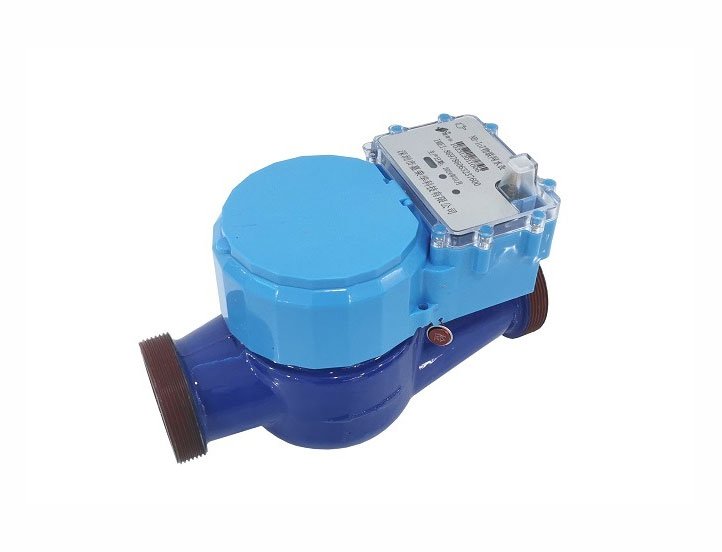
Scenario-Specific Guide: Choose the Right Fit
- Old Community Renovation Needs: Wireless installation, rust-proof, low cost
- Recommended Combination:
→ Material: Stainless steel housing (anti-corrosion)
→ Accuracy: ±1.5% (error < ¥1/month)
→ Type: Camera direct-read water meter (direct retrofitting of old meters)
- Recommended Combination:
- Rural Deep Well/Agricultural Irrigation Needs: Freeze-proof, sand-resistant, weak network communication
- Recommended Combination:
→ Material: Engineering plastic (lightweight and rust-proof)
→ Accuracy: ±2% (minimal error impact from sandy water)
→ Communication: LoRa wireless (5 km coverage without base stations)
- Recommended Combination:
- Factory/Commercial Park Needs: Corrosion-resistant, high accuracy, remote valve control
- Recommended Combination:
→ Material: Stainless steel (resistant to acids and alkalis)
→ Accuracy: ±0.5% (only 5 tons error for every 1,000 tons of water usage)
→ Function: 4G connectivity + cloud-based leak analysis
- Recommended Combination: