
1. Prioritize Application Scenarios
The performance of electromagnetic water meters is highly dependent on the usage scenario. It is essential to first clarify the following:
- Trade Settlement Scenarios (e.g., residential complex master meters, inter-company water usage settlement): Require high accuracy and long-term stability to ensure uncontested data. The protection rating should reach IP68 to withstand damp environments like underground wells.
- Industrial Process Monitoring (e.g., cooling water in chemical plants, circulating systems in dyeing workshops): Focus on corrosion-resistant linings and electrode materials (e.g., tantalum electrodes for strong acids, PTFE linings for high temperatures) to prevent failure due to medium erosion.
- Inlet/Outlet of Secondary Water Supply Equipment: Require anti-frequency interference technology to prevent measurement disruptions from pump start-stop cycles; instantaneous flow warning functions can quickly detect pipe burst risks.
- Special Environments (e.g., underground utility tunnels, agricultural irrigation channels): Demand fully sealed designs for moisture and rust resistance, adapting to dark and damp conditions; scenarios without external power sources require ultra-long-life batteries (6+ years) or solar power.
Pitfall Avoidance Tip: Do not use industrial-grade meters for residential scenarios (too costly), and avoid civilian-grade meters for corrosive media (accelerates damage).
2. Adaptability to Medium Characteristics and Environment
Electromagnetic water meters have inherent limitations regarding the medium and environment. Always verify during selection:
- Medium Conductivity: Only applicable to conductive liquids (conductivity >20 μS/cm); pure water and oils cannot be measured.
- Corrosiveness and Impurities: For strong acids, alkalis, or fluids containing particles, use combinations like tantalum/platinum-iridium alloy electrodes + PTFE linings for corrosion resistance and anti-adhesion.
- Temperature and Pressure Limits:
- High-temperature media (>80°C) require confirming lining temperature resistance (e.g., PTFE linings suitable for 99°C);
- High-pressure pipelines (>1.6 MPa) require customized pressure ratings to prevent pipe burst risks.
- Electromagnetic Interference Environments: Prioritize models with anti-electromagnetic interference capabilities near pump stations or substations to avoid measurement signal distortion.
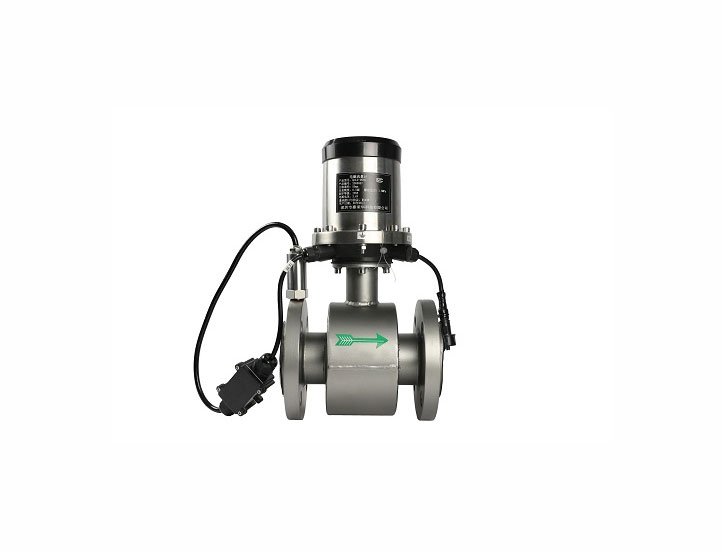
3. Matching Accuracy and Flow Range
Inappropriate flow range selection is a primary cause of measurement errors:
- Range Ratio (R-value): Select the R-value based on actual minimum/maximum flow rates (e.g., R400 suits scenarios with large flow fluctuations) to avoid undercounting at low flows or overrange at high flows.
- Accuracy Traps:
- Insist on Class 1 accuracy (error ≤ ±1%) for trade settlement scenarios; Class 2 is acceptable for civilian use. Be wary of claims of “high accuracy across the entire range,” as most meters maintain nominal accuracy only in specific flow intervals.
- Ensure a straight pipe section upstream of the meter is ≥5 times the pipe diameter to avoid accuracy loss from disturbances caused by bends or valves.
4. Practical Selection of Smart Features
- Essential Functions:
- Bidirectional measurement: Monitors pipeline backflow to prevent data deviations from reverse flow.
- Empty pipe alarm: Detects waterless idle operation in real-time, reducing equipment idle consumption.
- Expand as Needed:
- Tiered water pricing billing: For regions with strict policy enforcement.
- Water usage alerts for elderly living alone: A value-added service for community elderly care projects.
- Pressure and temperature monitoring: Key support for pipeline leak location.
- Communication Methods:
- Choose NB-IoT/LoRa wireless transmission for areas without network coverage, offering wide coverage and low power consumption.
- Prefer RS-485 wired connections in industrial areas for stronger anti-interference performance.