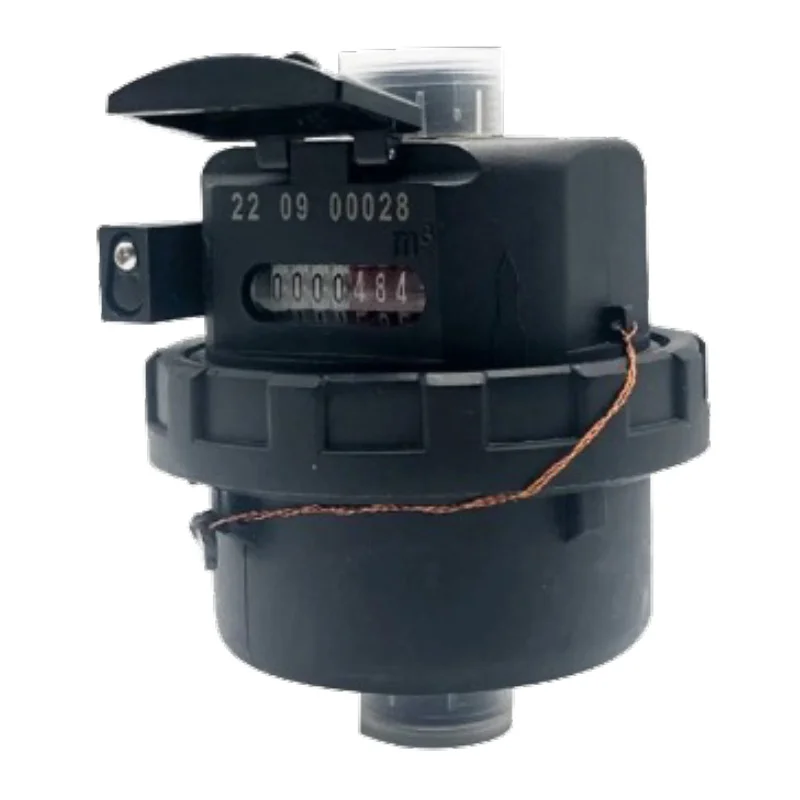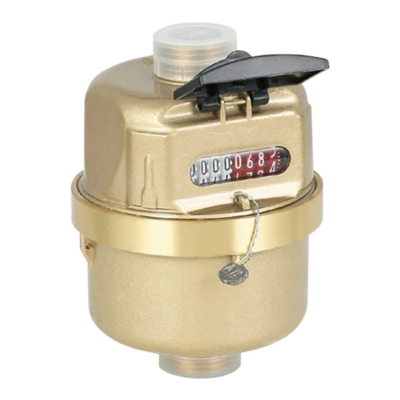
A volumetric water meter is an instrument that calculates flow by measuring the volume of a precision measuring chamber inside the water meter and accumulating the number of chambers through which the fluid passes. It has high measurement accuracy and is particularly suitable for measuring small flow and low flow fluids. It is relatively less affected by water quality and pressure fluctuations.

Core application scenarios
The measuring characteristics of volumetric water meters determine that they are more suitable for scenarios that require high accuracy and small flow changes. They are mainly divided into the following categories:
Household measurement of civil residential buildings (small caliber scenario)
Suitable for measuring household tap water and drinking water, especially for the renovation of old residential areas or high-end residences that require high measurement accuracy. Small caliber volumetric water meters (such as DN15, DN20) can accurately capture small flow water such as hand washing and dripping, avoiding measurement errors caused by “leakage” and effectively solving the problem of inaccurate measurement of small flow in traditional rotary wing water meters.
Measurement of water usage in commercial and small-scale service industries
Such scenarios as small shops, hair salons, cafes, beauty salons, etc. have low water flow and minimal fluctuations. The high precision of volumetric water meters can ensure fair measurement between supply and demand, avoiding water fee losses caused by small flow omissions.
Industrial production process water/fluid metering (low to medium flow scenarios)
Suitable for the measurement of process water in light industries with high precision requirements for fluid consumption, such as food and beverage processing, pharmaceuticals, electronic chip cleaning, etc., as well as the quantitative transportation and measurement of raw material liquids (such as impurity free liquid raw materials) in the chemical and daily chemical industries.
Attention: Not suitable for fluids containing a large amount of impurities and particles, otherwise it will wear down the precision components of the measuring chamber, resulting in inaccurate measurement.
Special fluid measurement (non-aqueous medium)
In addition to tap water, volumetric water meters can also be used to measure other liquids that are non corrosive and free of impurities, such as diesel, kerosene, lubricating oil and other oil media, as well as food grade liquids such as alcohol and fruit juice. They are commonly used in small gas stations and ingredient production lines.
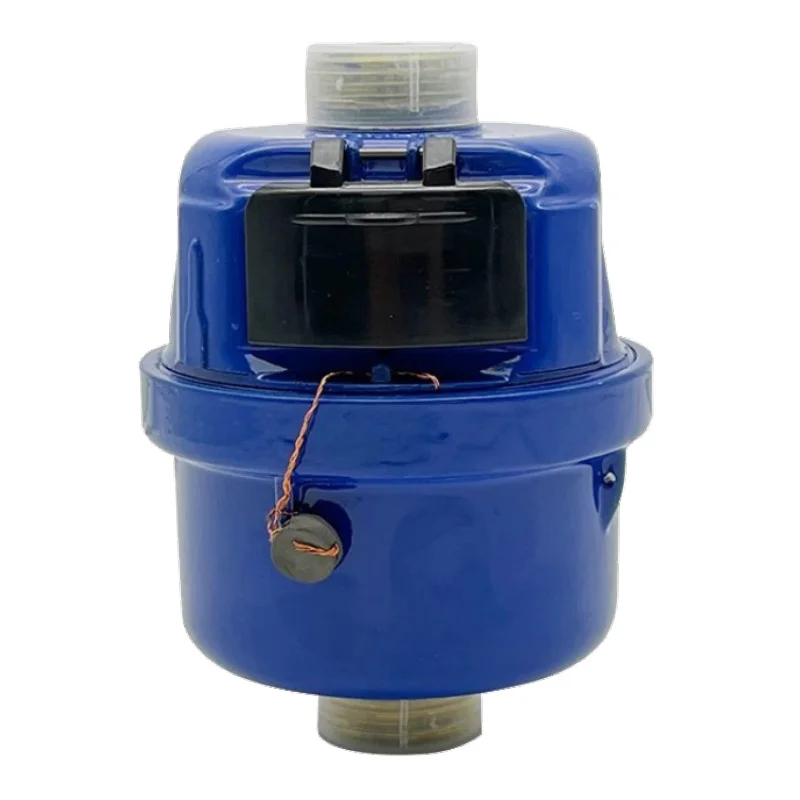
Correct usage method
Preparation before installation
Selection matching: Select the corresponding specification of water meter based on the actual pipe diameter and maximum/minimum flow rate used, ensuring that the actual flow rate is within the commonly used flow range of the water meter, and avoiding accuracy degradation or component damage caused by over range use.
Water quality inspection: Ensure that the fluid flowing through the water meter has no obvious impurities or particulate matter. If necessary, install a filter (accuracy ≥ 80 mesh) at the front end of the water meter to prevent impurities from entering the measuring chamber.
Installation environment confirmation: Choose a dry, ventilated, sun free, and vibration free installation location to avoid long-term immersion of the water meter or exposure to high and low temperatures.
Installation specifications
Installation direction: Strictly follow the water flow direction mark (arrow) on the water meter housing for installation. Reverse installation is prohibited, otherwise it may cause inaccurate measurement or even damage to the water meter.
Pipeline requirements: A sufficient length of straight pipe section (usually ≥ 10 times the pipe diameter in the front and ≥ 5 times the pipe diameter in the back) should be reserved before and after the water meter to reduce the interference of pipeline bends, valves, etc. on water flow and ensure measurement accuracy.
Horizontal installation: Most volumetric water meters require horizontal installation with the meter core facing upwards to ensure the normal operation of internal measuring components such as pistons and gears; Some models support vertical installation, please refer to the product manual for instructions.
Sealing treatment: The flange or threaded interface connecting the water meter to the pipeline needs to be equipped with a sealing gasket, with moderate tightening force to prevent water leakage and avoid excessive tightening that may cause deformation of the meter body.
Use and maintenance
Reading method: The reading method of volumetric water meters is the same as that of ordinary water meters. The cumulative flow rate is read through the pointer or digital wheel on the dial, and attention is paid to distinguishing measurement units such as cubic meters (m ³) or liters (L).
Regular verification: According to the usage scenario and industry standards, regularly send the measurement and testing institutions for verification (usually once every 1-2 years for civilian use, and once every six months for industrial use) to ensure that the measurement accuracy meets the standards.
Daily inspection: Regularly observe the operation status of the water meter. If the pointer does not turn, the dial leaks, or the measurement data fluctuates abnormally, stop using and repair it in a timely manner.
Antifreeze measures: In low temperature environments during winter, if the water meter is installed outdoors or on an uninsulated pipeline, insulation treatment (such as wrapping insulation cotton) should be done to prevent the water inside the meter from freezing and expanding, leading to the rupture of the meter body.
Taboos
It is prohibited to install bypass pipes on the front and rear pipelines of the water meter to avoid “water theft” and damage to the normal measurement conditions of the water meter.
Overpressure use is prohibited, and the water pressure must be controlled within the rated working pressure range of the water meter to prevent damage to internal precision components caused by high-pressure impact.
It is prohibited to measure corrosive fluids unless the water meter clearly indicates the corrosion-resistant material (such as stainless steel body).