
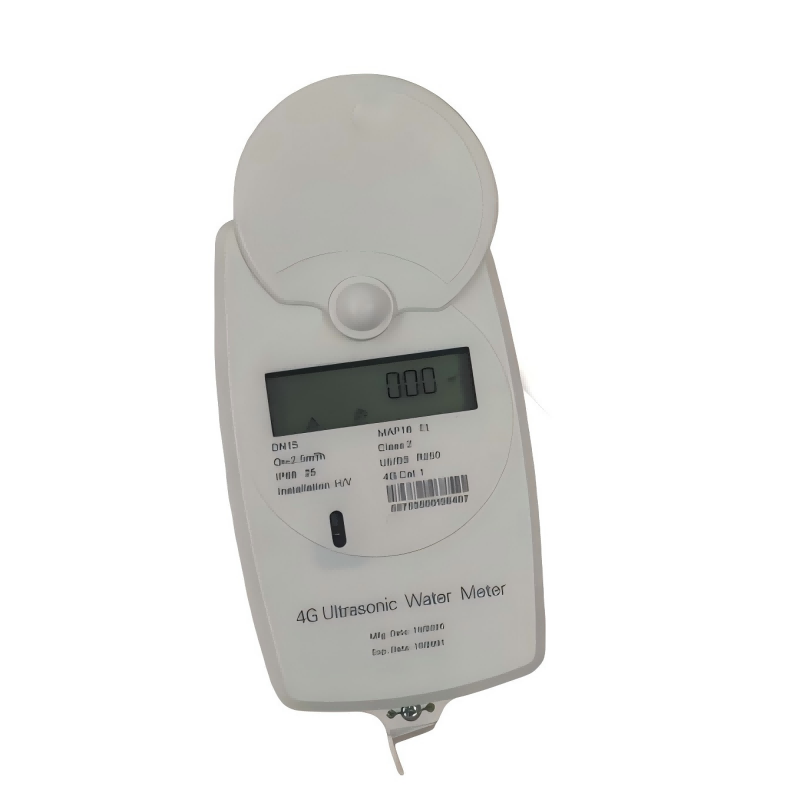
Key Pain Points in Traditional Water Bill Management
1. Difficulty in Recovering Arrears
Unpaid water bills after a tenant moves out are often hard to recover. Legal action involves high costs and lengthy processes. Some tenants intentionally default, and landlords lack effective control measures. Advance payment of water bills becomes a hidden cost for landlords, impacting profitability.
2. Complex Usage Verification
Manual meter reading often leads to disputes, with tenants frequently questioning bill accuracy. Real-time monitoring of abnormal water usage is impossible, making it difficult to assign responsibility for high bills caused by leaks. The workload of manual reading is heavy, leading to low management efficiency for multiple properties.
3. Lagging Service Response
Tenant repair requests require on-site confirmation, causing delays that affect the rental experience. The inability to remotely control valves limits emergency response capabilities. Non-transparent water usage data makes it hard to provide personalized service recommendations.
Core Functionality Analysis of Remote-Control Water Meters
1. Prepaid Metering Mechanism
Operates on a “top-up first, use later” model. The system automatically alerts tenants when their balance is low and can remotely shut off the valve if the balance is fully depleted. Multiple convenient top-up channels are supported, including mobile QR code scanning. Low-balance warning thresholds can be customized to avoid tenant dissatisfaction from sudden water shutoff.
2. Remote Valve Control Capability
Valve control commands are issued from the management platform and executed within 5-10 seconds. An automatic shut-off function can activate upon detecting sustained high flow rates, preventing losses from leaks. Remote water shutoff is available for emergencies, ensuring property safety. Real-time valve status feedback confirms command execution.
3. Visualization of Water Usage Data
Automatic generation of daily/weekly/monthly water usage reports, exportable and shareable. Identification of abnormal usage patterns (e.g., sustained low flow at night suggesting potential leaks). Long-term historical data storage facilitates dispute resolution and usage habit analysis. Multi-dimensional statistical charts provide intuitive visualization of usage trends.
Key Steps for Implementing Remote Water Meter Management
1. Initial Needs Assessment
Select the appropriate solution based on property scale, tenant profile, and existing plumbing conditions. Centralized apartments suit unified platform management; dispersed properties may opt for independent systems. Prioritize pre-installed piping for new renovations; assess retrofit feasibility for existing buildings. Define core needs: preventing arrears, reducing loss, or improving efficiency.
2. Equipment Selection and Installation
Choose industrial-grade valves guaranteed for 100,000+ open/close cycles. Determine communication method based on signal conditions: NB-IoT/4G for urban apartments, consider LoRa self-organizing networks for suburban areas. Professional installation guarantees sealing and metering accuracy, avoiding technical issues.
3. Management Process Restructuring
Establish clear water usage agreements, defining top-up rules and procedures for handling arrears. Implement a tiered alert system: first reminder at 20% balance, second warning at 10%, final notice at 5%. Set up a 24/7 emergency response channel for system failures and urgent needs. Generate regular water usage reports and proactively communicate anomalies with tenants.