
In many residential complexes, apartments, or older buildings still using mechanical water meters, upgrading to smart systems often faces practical challenges: high costs of meter replacement, complex installation processes, and significant disruptions due to water supply interruptions. Jarong’s camera direct-read water meter (referred to as the “camera water meter”) offers an efficient and low-cost solution—enabling remote automatic meter reading without replacing the existing meters, truly achieving “new use for old meters.”
What Are the Core Pain Points of Traditional Water Meters?
- Mechanical water meters cannot support automatic reading.
Traditional mechanical water meters rely on manual readings door-to-door, which is time-consuming and labor-intensive. Especially in high-rise or multi-building complexes, monthly meter reading becomes a heavy burden for property management. - High cost of replacing smart water meters.
Fully replacing mechanical meters with electronic smart meters requires rewiring, pipeline modifications, and involves construction, water supply interruptions, and approval processes, resulting in high overall investment and long cycles. - Many water meters are still functioning properly.
Numerous mechanical meters are accurate and operate stably. Forcing their replacement leads to resource waste and user resistance. - Desire for rapid smart management implementation.
Property management or administrative units aim to improve management efficiency quickly but are constrained by budgets and construction conditions, making it difficult to achieve this goal in one step.
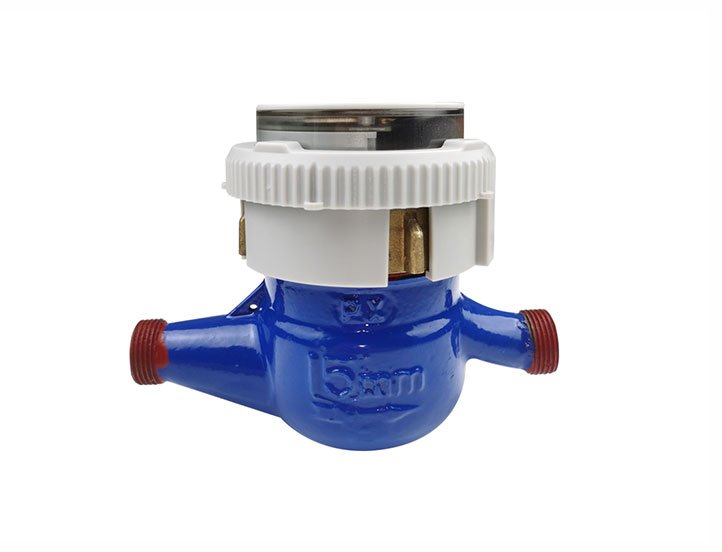
How Does the Camera Water Meter Address These Pain Points?
- Add-on design without replacing the original meter.
The camera water meter features an external camera module installed directly above the dial of the existing mechanical water meter. It uses image recognition technology to read the current display without disassembling or replacing the meter itself. - Real-time imaging and direct digit reading.
The device has a built-in micro-camera that periodically captures images of the water meter dial. Optical Character Recognition (OCR) technology extracts the digits, ensuring accurate and reliable readings and avoiding misreads caused by signal interference, as often seen with pulse meters. - Adaptability to various installation environments.
The camera module is designed with anti-fog and anti-glare features, making it suitable for damp environments such as pipe wells and basements. Its night-time supplementary lighting ensures clear imaging even in low-light conditions. - Low power consumption and remote transmission.
The device is battery-powered with low energy consumption, offering a battery life of up to five years. It supports NB-IoT or LoRa communication, automatically uploading data to the management platform for remote meter reading.
Applicable Scenarios and Practical Value
- Smart retrofitting of old residential communities.
Enables rapid remote meter reading without disrupting the existing water supply system, lowering the threshold for upgrades—ideal for government-led public welfare projects. - Management of rental properties and apartments.
Administrators can monitor each unit’s water usage in real time through the platform, supporting prepayment systems (when combined with valve control) and improving billing efficiency. - Water usage accounting for schools, factories, dormitories, and other units.
Enables sub-metering without large-scale construction, facilitating cost allocation and energy consumption analysis. - Protects existing investments and extends meter lifespan.
Makes full use of mechanical water meters that are still functioning properly, avoiding resource waste.