
Essence of Smart Water Meters with Valves:
- Emergency Shutoff: Automatically close the valve to cut off water flow upon detecting pipe bursts, water theft, or unpaid fees, reducing resource waste and property loss.
- Planned Water Usage: Supports setting irrigation schedules, production quotas, or tiered water pricing, with automatic valve closure for overuse.
- Remote Management: Water authorities can centrally regulate regional water usage (e.g., shutting off non-essential供水 during water restrictions).
Core Value of Smart Water Meters without Valves:
- Purely Data-Driven: Records real-time water consumption and usage patterns, generating water-saving reports but unable to intervene in water flow.
- Simplified Structure: No mechanical components like motors or gearboxes, significantly reducing failure rates.
- Offline Functionality: Ensures basic metering during communication outages without affecting normal user water supply.
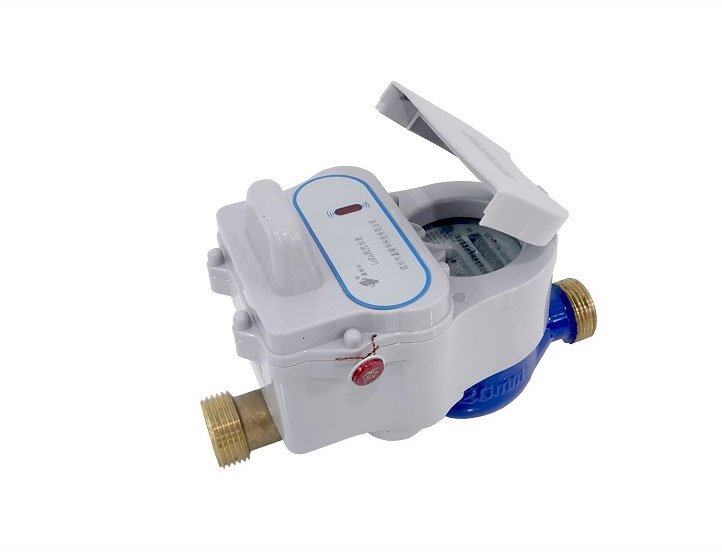
3 Scenarios Where Valved Meters Are Preferred:
- Commercial and Rental Properties
- Prepaid management for shops, apartments, and rentals; automatic shutoff for unpaid fees prevents defaults.
- High-risk venues like hotels and factories where sudden leaks cause significant losses; valve closure within seconds mitigates risks.
- Agricultural Irrigation Systems
- Remote timed valve operation (e.g., nighttime irrigation) prevents overflow waste.
- Solar-powered + LoRa communication, suitable for field environments without power sources.
- High-Risk Area Protection
- Older neighborhoods with high hidden pipe leakage rates; automatic valve closure is hours faster than manual intervention.
- Homes of elderly living alone; prolonged zero usage triggers automatic shutoff to prevent accidents.
3 Scenarios Where Valve-Free Meters Are Preferred:
- Residential Meter Upgrades
- Only tiered pricing metering or data reporting is needed; valve functionality is redundant.
- Low leakage probability in ordinary households; mechanical components add maintenance burdens.
- Industrial Process Monitoring
- Production lines in chemicals, pharmaceuticals, etc.,忌讳 sudden water flow changes; valve interference disrupts production continuity.
- Large-diameter (DN50+) flow monitoring; valve pressure loss affects accuracy.
- Municipal Data Nodes
- Pipeline pressure monitoring points only require stable metering; more features increase failure rates.
Hidden Trade-offs in Cost and Maintenance
- Procurement Cost: 30%-50% premium (valve + control module) over basic metering functionality.
- Energy Consumption: Single valve activation ≈ 500 data transmissions in power usage; static power consumption is 40% lower.
- Maintenance Complexity: Regular lubrication to prevent jamming and gear replacement; failures only require modular swaps.
- Lifespan: Valve cycle life ≈ 10,000 activations (civilian grade); electronic components last over 8 years.
Pitfall Warning: Avoid valved meters in areas with poor water quality (high hardness, impurities), as scale easily causes valve jamming.
3 Key Questions for Decision-Making:
- “Is instant water flow interruption necessary?”
- Choose valved for addressing sudden risks like unpaid fees, leaks, or theft; choose valve-free for data analysis only.
- “Can valve maintenance costs be handled?”
- Property management/water companies with professional teams can choose valved; individual users or those lacking maintenance capacity should choose valve-free.
- “Is the environment suitable for valve operation?”
- Select IP68 protection + wide-temperature valve bodies for wells/field use; valve-free meters are more stable in areas with strong electromagnetic interference.