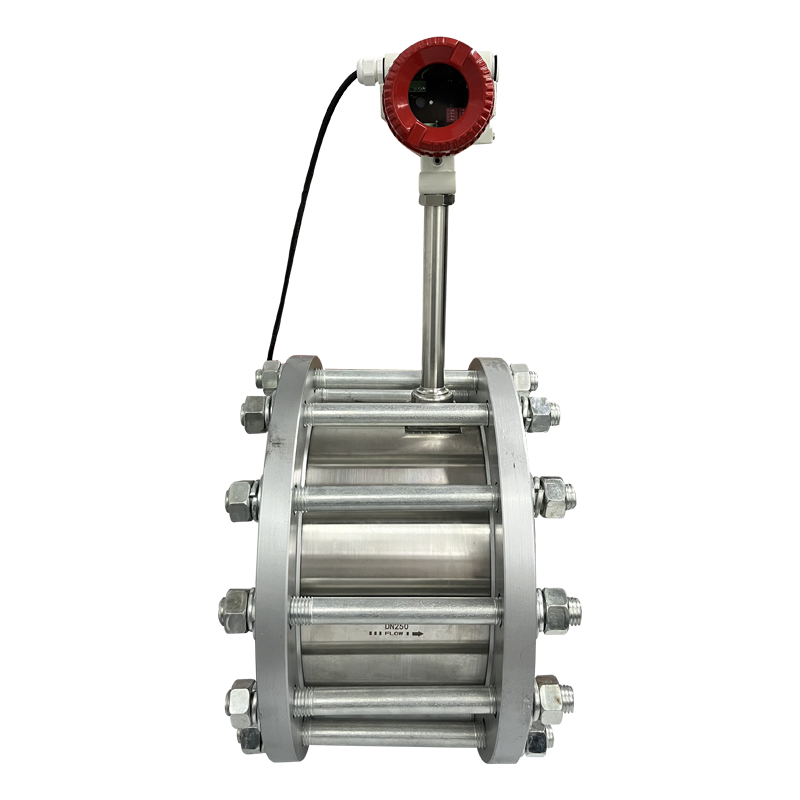
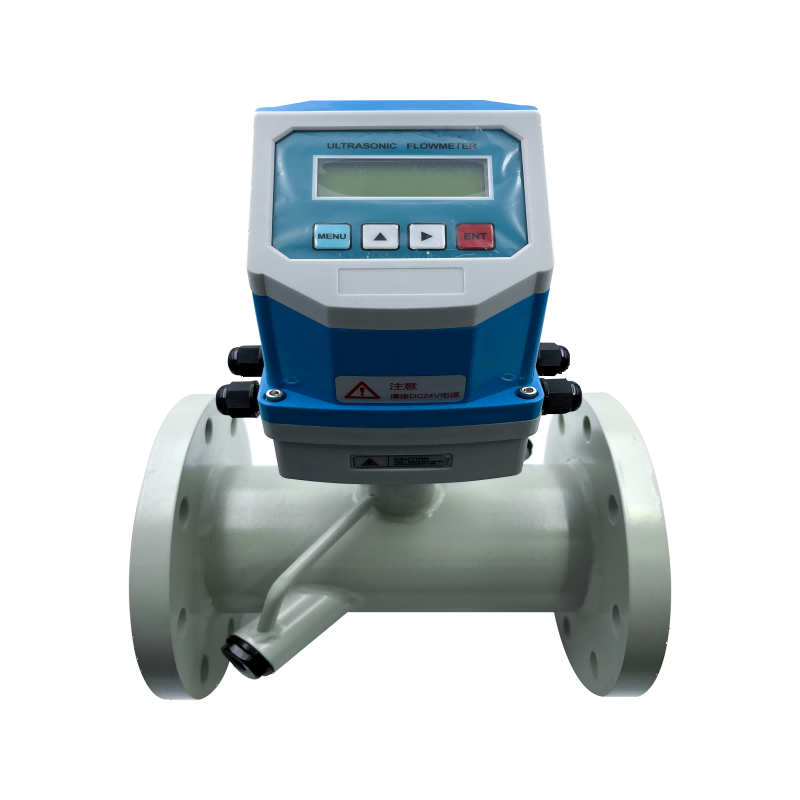
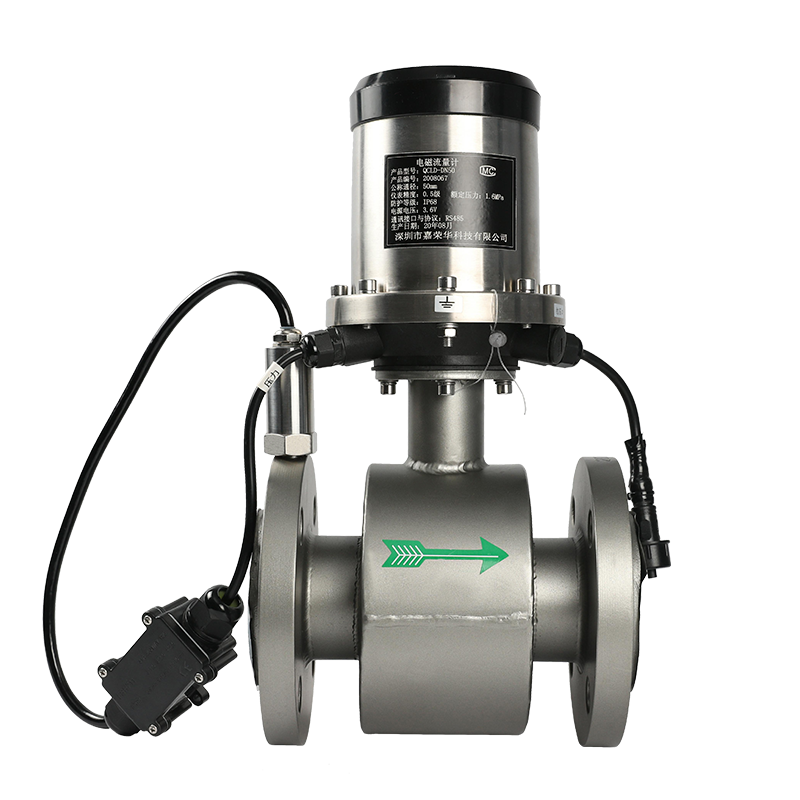
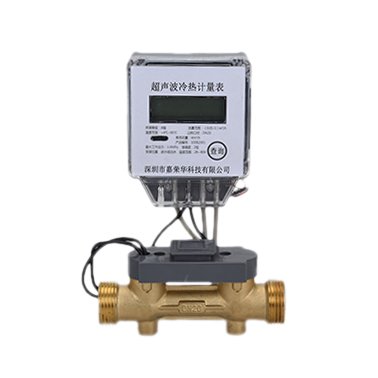
Product Overview
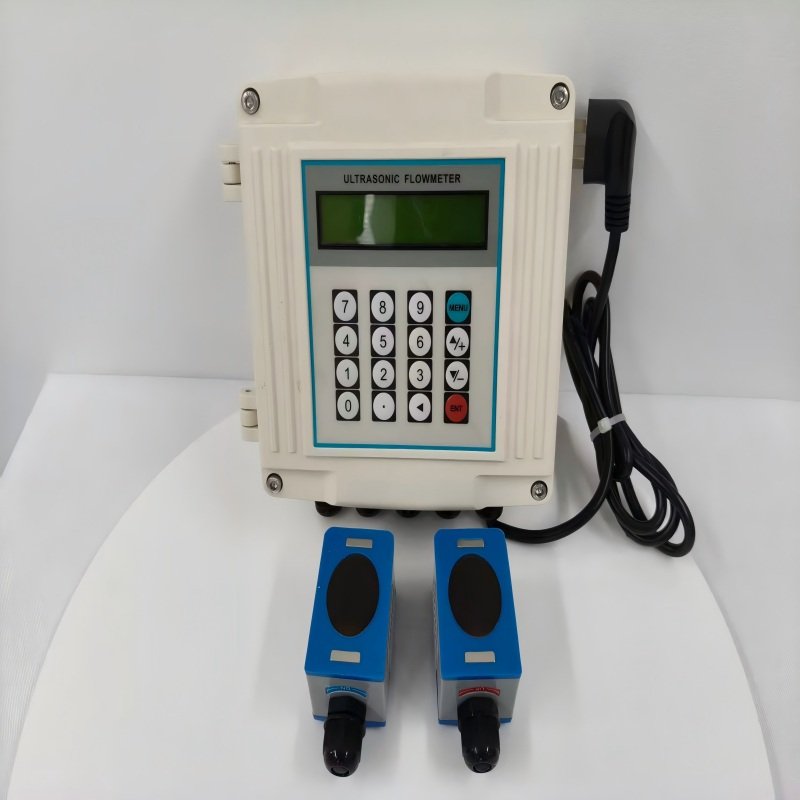
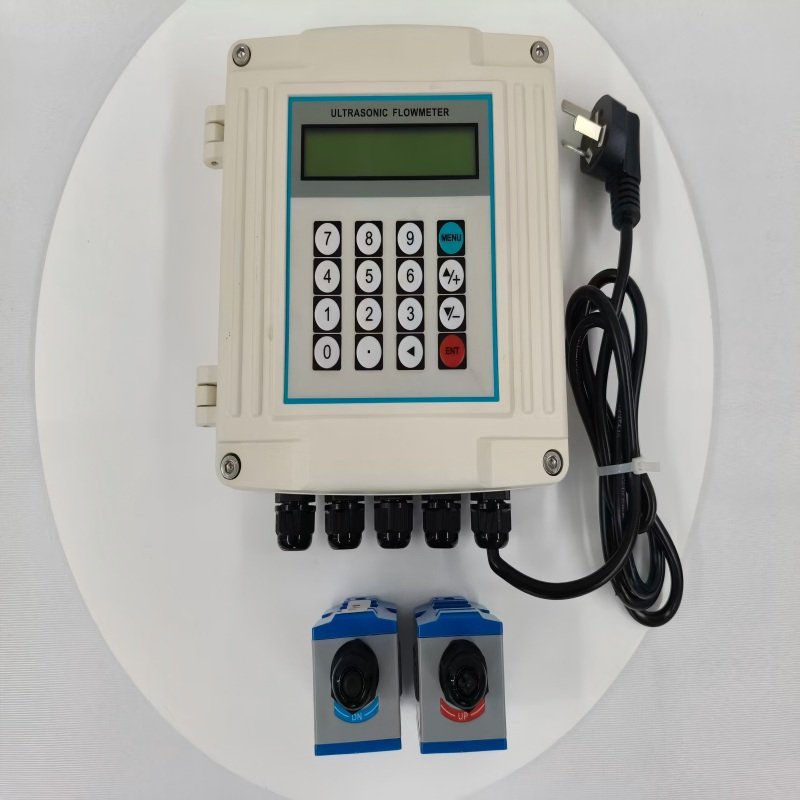
The external clamp type ultrasonic flowmeter is a non-invasive flow measurement device developed based on the propagation characteristics of ultrasonic waves. The core adopts the measurement principle of time difference method or Doppler effect method. By directly clamping the sensor on the outer wall of the pipeline, flow monitoring can be completed without cutting the pipeline or contacting the measured medium. Its breakthrough non-contact design completely solves the pain points of traditional flow meters, such as complex installation, susceptibility to medium corrosion and wear, and pressure loss. With the advantages of convenient installation, wide adaptability, stable operation, and low maintenance costs, it has become the preferred solution for flow monitoring in industrial production, municipal construction, and other fields. It is widely used in industries such as water treatment, HVAC, petrochemicals, power metallurgy, food and pharmaceuticals.
Compared to traditional invasive flow meters, this device does not require damage to pipeline integrity, does not interfere with fluid flow, and can adapt to complex media conditions such as corrosiveness, high temperature and high pressure. It combines environmental safety and long-term operational reliability, and is a typical embodiment of modern flow management concepts.
Core product advantages
1. Non invasive installation, convenient and efficient
The sensor is directly clamped on the outer wall of the pipeline, without cutting the pipeline, stopping construction, or opening on the pipeline. The installation process is as simple as “sticking plaster” and can be deployed in a few hours. Especially suitable for large pipelines, buried pipelines, or critical process pipelines that cannot be shut down, significantly reducing installation costs and construction cycles.
2. Zero pressure loss, energy-saving and environmentally friendly
No components invade the interior of the pipeline, do not interfere with the fluid flow state, fundamentally achieve zero pressure loss, avoid additional energy consumption, and conform to the industrial development trend of energy conservation and environmental protection.
3. Widely adaptable media, safe and reliable
The sensor is completely isolated from the measured medium and can safely measure corrosive, high-temperature, high-pressure, flammable, explosive or sanitary grade media, avoiding measurement failure caused by electrode corrosion and component wear of traditional flow meters, while eliminating the risk of medium contamination (especially suitable for the food and pharmaceutical industry). The equipment has no moving parts, extremely low failure rate, and maintenance cycle can be extended to more than 5 years, with a long service life.
4. Accurate and stable measurement, strong anti-interference ability
The digital signal processor with nanosecond time resolution and adaptive power adjustment algorithm can intelligently lock effective acoustic signals, ensuring stable measurement accuracy even in complex working conditions such as pipeline scaling and poor material quality. Some models have a high data update rate of 100Hz, which can capture small and rapid fluctuations in traffic.
5. Flexible adaptation, one machine for multiple uses
A host can be equipped with multiple different types of sensors, and can adapt to various pipe diameters ranging from DN15 to DN6000 by changing the fixture. It can also adapt to pipes made of different materials such as metal and non-metal. The portable model has low power consumption and can be moved and used between different measuring points at any time, making it an ideal tool for energy auditing, temporary detection, and fault diagnosis.
6. Intelligent and convenient, easy operation and maintenance
Equipped with a graphical human-machine interface and real-time signal quality indicator bar, even beginners can easily complete installation and debugging; Support remote monitoring and data uploading, users can view historical data and generate reports through mobile apps or web pages, achieving unmanned operation and maintenance.
Applicable scenarios
-Municipal field: flow monitoring of tap water supply network, inflow and outflow measurement of sewage treatment plants, leakage detection and water balance testing of urban drainage network;
-Industrial field: Flow monitoring and energy efficiency evaluation of industrial circulating water and cooling water systems, transportation and metering of corrosive media and organic solvents in the petrochemical industry, flow rate control of cooling water in the power metallurgy industry;
-Building and HVAC: HVAC system cold/heat metering, central air conditioning water circulation flow monitoring;
-Special fields: hygiene grade fluid measurement in the food and pharmaceutical industry, flow monitoring of agricultural irrigation pipelines, pump efficiency testing and evaluation, temporary flow detection and fault diagnosis.
Installation and operation points
1. Requirements for pipeline conditions
The installation position of the sensor should meet the following requirements: the length of the upstream straight pipe section should be ≥ 10 times the pipe diameter (10D), and the length of the downstream straight pipe section should be ≥ 5 times the pipe diameter (5D), to avoid interference sources such as valves, elbows, pumps, etc. affecting the measurement accuracy; Priority should be given to installing the pipeline horizontally or laterally to avoid the accumulation of bubbles