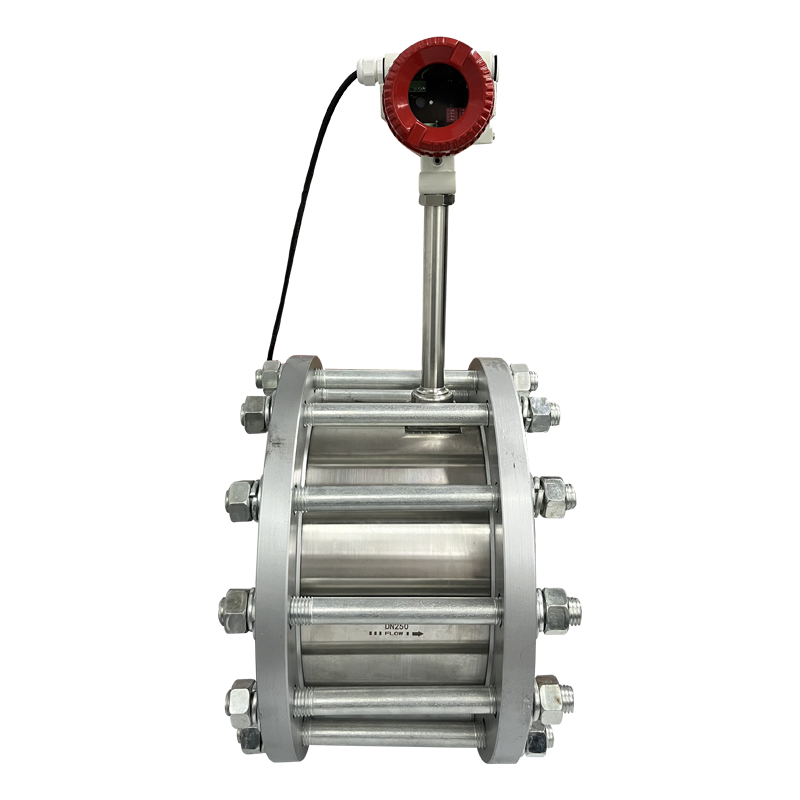
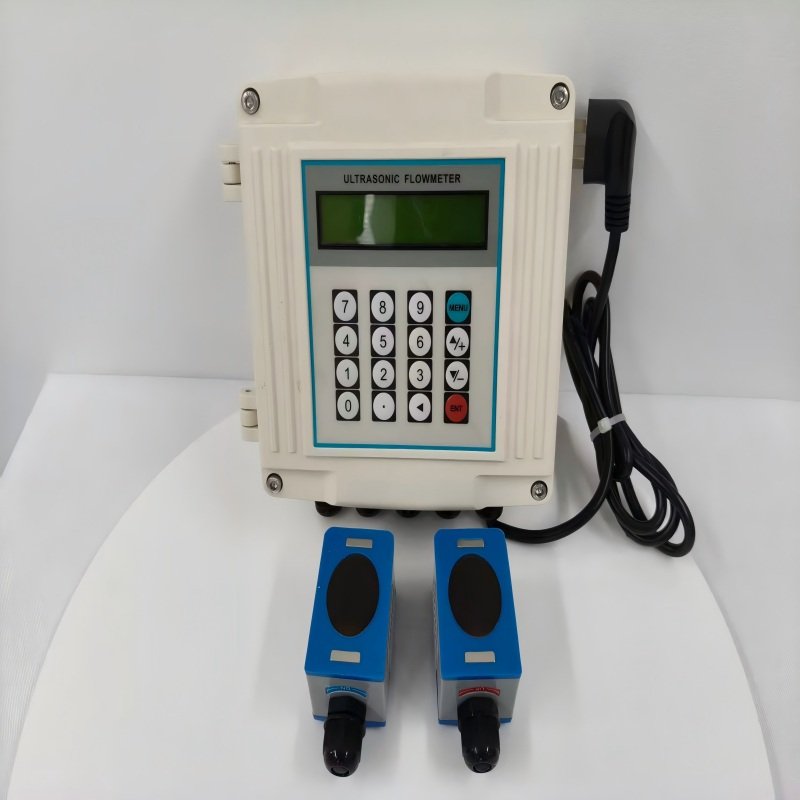
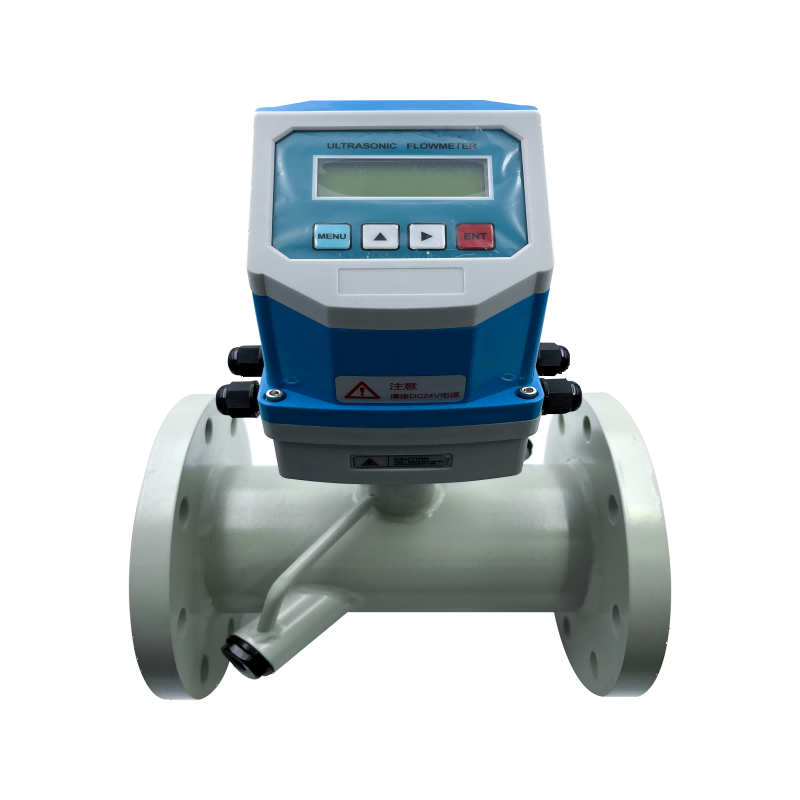
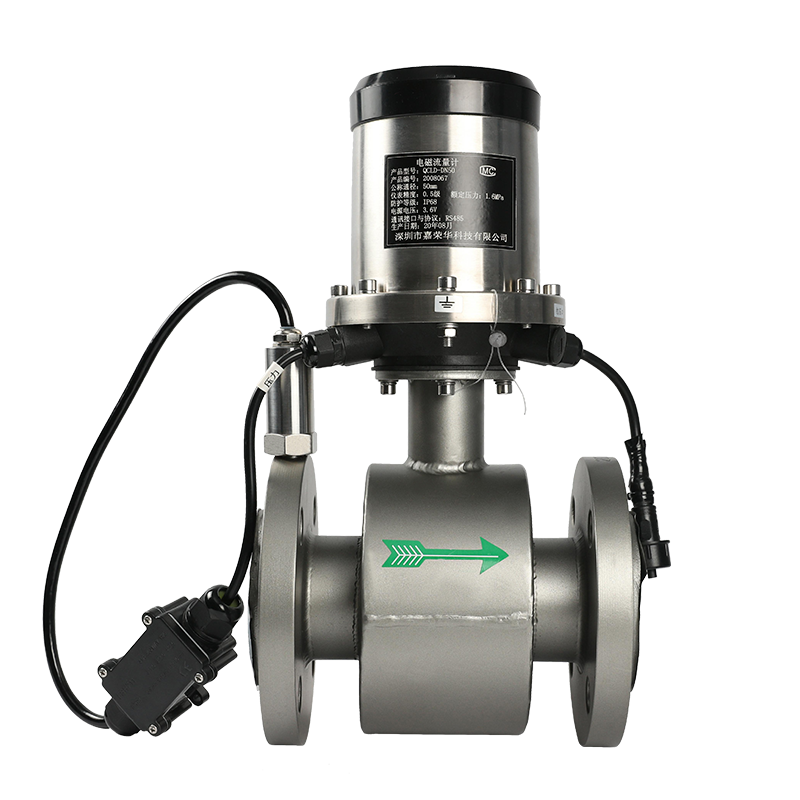
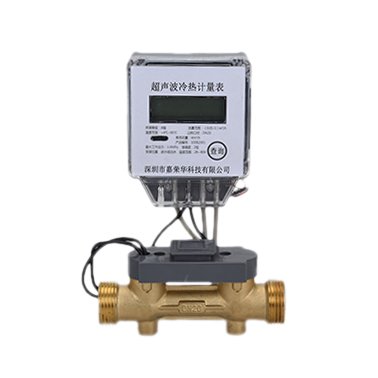
Insertion flowmeter is a flow measurement device that is not installed in full pipes and is inserted into pipelines for internal measurement. Its core advantages include strong adaptability to large-diameter pipelines, convenient installation and maintenance, controllable cost, and can be deployed without cutting off the entire pipe. It is widely used in high flow/large-diameter scenarios such as municipal pipeline networks, industrial production, and energy transmission. Its characteristics and selling points accurately match the core needs of industrial enterprises, municipal engineering, and water companies
1、 Core technical features: adaptable to large diameters, overcoming traditional installation pain points
Flexible installation method, no need to cut off pipes or stop production
Adopting the “drilling insertion” installation method, there is no need to cut off the pipeline or drain the medium. Simply drill a hole in the pipeline and insert the sensor probe. The installation time is short (only 1-2 hours for a single device installation), especially suitable for large-diameter pipelines (DN50~DN3000) and operating pipelines (such as municipal water supply main pipelines and industrial circulating water pipelines), to avoid production stoppage and water loss caused by installation.
Supports multiple installation and fixing methods (flange type, threaded type, clamping type), and can be flexibly selected according to pipeline materials (steel pipe, cast iron pipe, PVC pipe) and working conditions. Some models are equipped with magnetic bases, which can be temporarily installed without welding or drilling, and are suitable for emergency monitoring scenarios.
Reasonable structural design, suitable for complex working conditions
The sensor probe is made of wear-resistant and corrosion-resistant materials, such as 316L stainless steel and tungsten carbide PTFE), It can withstand high temperatures (-40 ℃~500 ℃), high pressures (up to 40MPa), and corrosive media (such as acidic and alkaline solutions, industrial wastewater), and is suitable for harsh working conditions in industries such as chemical, metallurgical, and power.
The probe has a small volume and adjustable insertion depth, which can adapt to different pipeline diameters and fluid flow states. Some models have anti blocking design (such as self-cleaning probes and anti scaling coatings), which can reduce the influence of sediment, suspended solids, and viscous media in water on measurement and reduce maintenance frequency.
The measurement principles are diverse, covering multiple media scenarios
The mainstream measurement principles include vortex street, ultrasonic, electromagnetic, and differential pressure, which can be flexibly selected according to the measurement medium (gas, liquid, steam, mixed fluid):
Vortex type: Suitable for gases, liquids, and vapors, with high measurement accuracy (± 1% FS) and no pressure loss;
Ultrasonic type: non-contact measurement, suitable for media with strong corrosiveness and high impurities, without wear;
Electromagnetic type: only applicable to conductive liquids (such as tap water and industrial wastewater), with strong anti-interference ability;
Differential pressure type: Suitable for high temperature and high pressure steam and gas, with a simple and durable structure.
Significant cost advantage in large caliber scenarios
Compared to full tube flow meters (which are expensive and difficult to transport and install for large-diameter models), plug-in flow meters have a procurement cost of only 1/3 to 1/5 of full tube flow meters, and do not require large lifting equipment, reducing transportation and installation costs by more than 50%. They are particularly suitable for measuring large-diameter pipelines with a diameter of DN300 or more (such as municipal sewage networks, industrial park general tables, and power plant circulating water pipelines).
A single device can cover multiple pipe diameters (such as a plug-in ultrasonic flowmeter that can adapt to DN100~DN2000 pipelines by adjusting the probe position), without the need to purchase equipment separately for different pipe diameters, reducing inventory and procurement costs.
Accurate measurement and reliable data
The measurement accuracy generally reaches ± 1%~± 2.5% FS, and some high-precision models (such as plug-in ultrasonic flow meters) can reach ± 0.5% FS. The range ratio is wide (10:1~100:1), which can accurately measure low flow rates (such as pipeline leak detection) and stably carry large flow rates (such as peak flow rates in industrial production lines), meeting various needs such as trade settlement and process monitoring.
Equipped with temperature and pressure compensation functions, it can automatically correct the impact of medium temperature and pressure changes on measurement results, especially suitable for media with large parameter fluctuations such as steam and gas, ensuring data accuracy.
Convenient maintenance and low operation and maintenance costs
The probe can be disassembled and replaced separately, without the need to disassemble the entire equipment or cut off the pipeline. Maintenance does not affect the normal operation of the pipeline, such as cleaning the probe scale and replacing damaged parts, which can be completed in just 30 minutes, greatly reducing downtime losses.
No mechanical moving parts (some principle models), low wear and tear, low failure rate, with an average time between failures (MTBF) of 5-8 years, and no need for regular calibration (some models support online calibration). Long term operation and maintenance costs are more than 40% lower than traditional flow meters.
Intelligent interconnection, adapted to digital management
Supports 4-20mA analog signal and pulse signal output, and can be paired with RS485, Modbus, NB IoT, LoRa and other communication modules to upload real-time flow, temperature, pressure and other data to PLC, DCS system or cloud monitoring platform, realizing remote meter reading, data tracing, trend analysis.
Some models have intelligent diagnostic functions, which can identify probe faults, signal interference, medium abnormalities, and other situations, timely push alarm information, and facilitate operation and maintenance personnel to quickly troubleshoot problems; Support remote parameter configuration and firmware upgrade without on-site operation, improving management efficiency.
3、 Typical application scenarios
Municipal engineering: metering of urban water supply main pipelines, monitoring of inflow and outflow of sewage treatment plants, and detection of pipeline leaks;
Industrial production: process water/circulating water metering, steam flow monitoring, gas transmission metering in the chemical, metallurgical, and power industries;
Energy and environmental protection: flow measurement of heating pipeline network, monitoring of coolant flow in new energy industry, and measurement of environmental wastewater discharge;
Emergency monitoring: temporary pipeline flow detection, troubleshooting of faulty pipeline flow, short-term measurement requirements for engineering projects.